How to Hurricane-Proof Your Roof in Miami: A Complete Guide
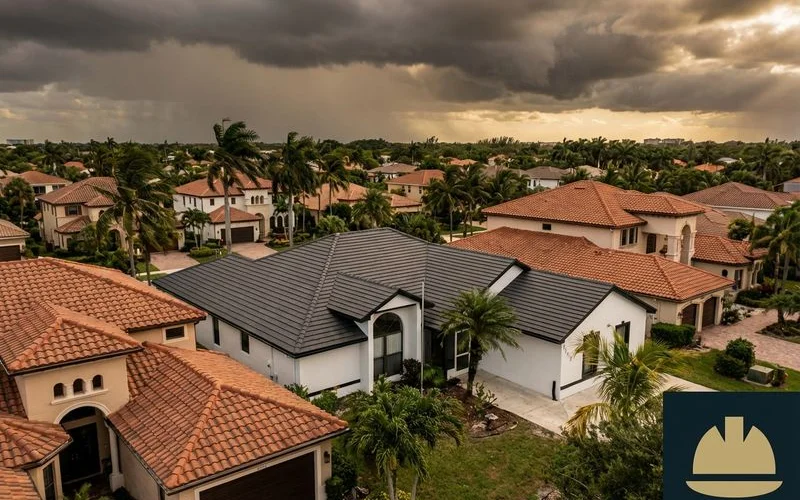
Living in Miami means embracing a lifestyle defined by sunshine, waterfront beauty, and the ever-present reality of hurricane season. Your roof is the single most critical line of defense between your family, your possessions, and the devastating force of tropical storms. At Royal Builders Miami, we have spent decades fortifying homes across South Florida, and we understand exactly what it takes to keep your roof intact when the winds begin to howl.
This comprehensive guide walks you through every aspect of hurricane-proofing your roof, from selecting the right materials to understanding the stringent Miami-Dade code requirements that govern construction in our region.
Understanding Miami’s Hurricane Risk
Miami sits squarely in one of the most hurricane-prone corridors on the planet. Category 4 and 5 storms can produce sustained winds exceeding 157 miles per hour, generating uplift forces powerful enough to peel an entire roof assembly off a home in seconds. Even a Category 1 storm with 74-mph winds can cause substantial roofing damage if your system is not properly engineered and installed.
The financial stakes are equally severe. A full roof replacement after storm damage can cost anywhere from $15,000 to $50,000 or more depending on the size and complexity of your home. Factor in water intrusion damage to interiors, and costs can climb into six figures. Hurricane-proofing your roof is not merely prudent; it is essential.
Choosing Hurricane-Rated Roofing Materials
Not all roofing materials perform equally under hurricane conditions. When selecting materials for a Miami home, you need products that carry a Miami-Dade Notice of Acceptance (NOA), the gold standard for wind resistance certification in South Florida.
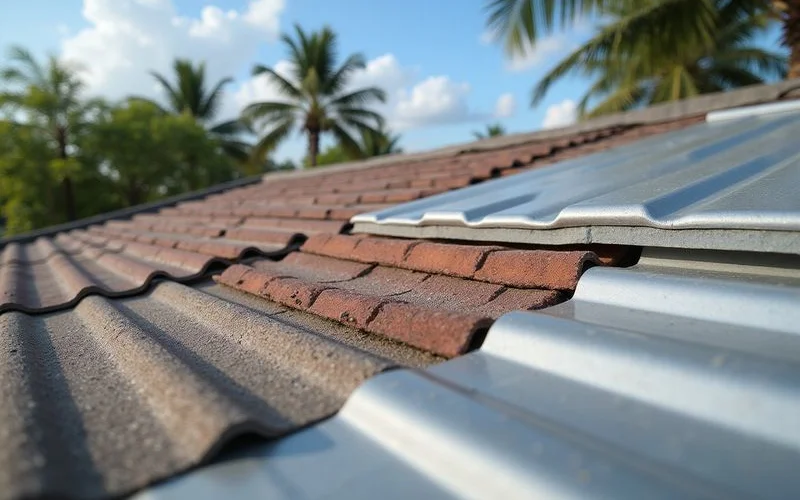
Concrete and Clay Tile remain among the most popular choices for hurricane-prone regions. When properly installed with mechanical fasteners and adhesive, concrete tile roofs can withstand winds exceeding 180 mph. Clay tiles offer similar performance with a more refined aesthetic, though they tend to carry a higher price point.
Architectural Asphalt Shingles rated for high-wind zones offer an excellent balance of affordability and performance. Look for shingles carrying a Class H wind rating or better, with enhanced nailing patterns designed specifically for South Florida installations.
Standing Seam Metal Roofing has gained significant popularity in Miami due to its exceptional wind resistance. The interlocking panel design eliminates exposed fasteners, reducing the number of potential failure points. Premium standing seam systems can handle wind speeds well above 185 mph.
Roof Tie-Down Systems and Structural Reinforcement
The strongest roofing material in the world is worthless if the underlying structure cannot hold it in place. Hurricane-proofing begins at the structural level with a continuous load path, a chain of connections that transfers wind forces from the roof through the walls and into the foundation.
Hurricane Straps and Clips are galvanized steel connectors that anchor your roof trusses or rafters to the top plate of the wall framing. Simpson Strong-Tie H2.5A and H10 connectors are among the most commonly specified products in Miami-Dade County. Every truss or rafter connection point must be secured, and the connectors must be installed with the correct quantity and gauge of nails or screws as specified by the manufacturer.
Ring Shank Nails provide dramatically superior holding power compared to smooth-shank nails. Building codes in Miami-Dade require ring shank nails for roof deck attachment, typically 8d nails spaced at 6 inches along panel edges and 12 inches in the field.
Roof Deck Attachment is where many older homes fail during hurricanes. The plywood or OSB sheathing that forms your roof deck must be securely fastened to the trusses below. For enhanced protection, consider re-nailing your existing roof deck with an upgraded schedule before installing new roofing material.
Miami-Dade NOA Requirements
Miami-Dade County enforces the most rigorous building codes for wind resistance in the United States. Any roofing product installed within the county must carry a valid Notice of Acceptance (NOA) from the Miami-Dade County Product Control Division.
The NOA process involves independent laboratory testing that verifies a product can perform under the wind loads specified in the Florida Building Code, High-Velocity Hurricane Zone (HVHZ) edition. Products are tested for uplift resistance, water penetration under wind-driven rain, and impact resistance from wind-borne debris.
Before hiring any roofing contractor, verify that every product they propose carries a current NOA. Expired or invalid NOAs can result in failed inspections, denied insurance claims, and code violations that cost thousands to resolve.
Secondary Water Barrier Protection
Even when roofing materials remain intact, wind-driven rain can penetrate the system through gaps and seams. A secondary water barrier provides an additional layer of protection beneath your primary roofing material.
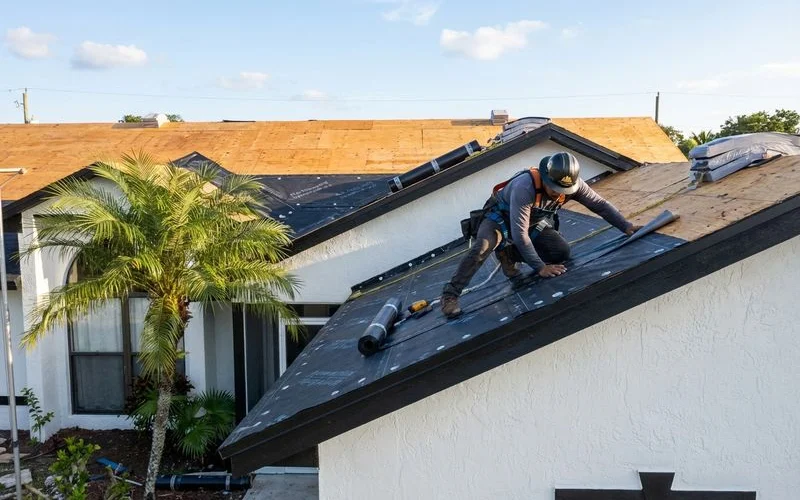
Self-Adhering Modified Bitumen Underlayment is the most effective secondary water barrier for Miami homes. Products such as GAF StormGuard or Tamko TW Metal and Tile create a waterproof seal around every nail penetration, preventing water intrusion even if shingles or tiles are lost during a storm.
Florida Building Code requires enhanced underlayment in the HVHZ, and many insurance companies offer premium discounts for homes with full secondary water barrier coverage rather than the minimum code requirement.
Pre-Hurricane Inspection Checklist
Regular inspections are critical to maintaining your roof’s hurricane readiness. We recommend a thorough professional inspection at least once per year, ideally before the June 1 start of hurricane season.
Exterior Inspection Points:
- Verify all tiles, shingles, or metal panels are secure with no lifting or displacement
- Check flashing around chimneys, vents, skylights, and wall-to-roof transitions
- Inspect ridge caps and hip caps for secure attachment
- Examine sealant and caulking at all penetration points
- Look for signs of rust, corrosion, or deterioration on metal components
- Clear all debris from valleys and gutters
Attic Inspection Points:
- Verify hurricane straps are present at every truss-to-wall connection
- Check for daylight penetration indicating gaps in the roof deck
- Look for water stains that suggest previous leaks
- Confirm adequate ventilation to prevent moisture buildup
- Inspect the underside of the roof deck for delamination or rot
Storm Preparation Tips
When a hurricane warning is issued, take immediate action to secure your roof and minimize potential damage.
Trim overhanging tree branches that could break and impact your roof during high winds. Secure or remove any rooftop equipment, satellite dishes, or solar panels that are not rated for hurricane conditions. Clear gutters and downspouts to ensure proper drainage during heavy rainfall. Document the current condition of your roof with photographs for insurance purposes.
If you have an older home that has not been updated to current code standards, consider scheduling a consultation with Royal Builders Miami to discuss retrofit options. Even incremental improvements such as adding hurricane straps to unconnected trusses or re-nailing the roof deck can dramatically improve your home’s survival odds during a major storm.
Invest in Protection Before the Storm Arrives
Hurricane-proofing your roof is not an expense you can afford to defer. The cost of proper preparation is a fraction of what you will spend on repairs after a storm, and the peace of mind that comes from knowing your home is fortified is genuinely priceless. Contact Royal Builders Miami today for a comprehensive roof assessment and a detailed plan to bring your home up to the highest standards of hurricane protection.