Choosing Between Quartz and Granite for Your Miami Kitchen
Countertops define the character of a kitchen. They are the surface you touch every day, the backdrop for meal preparation, and one of the first features visitors notice when they enter the room. For Miami homeowners planning a kitchen remodel, the choice frequently comes down to two premium materials: quartz and granite. Both are excellent options, but they differ in meaningful ways that affect performance, maintenance, appearance, and cost. This guide provides a thorough comparison to help you make the right decision for your home and lifestyle.
Understanding the Materials
What Is Granite?
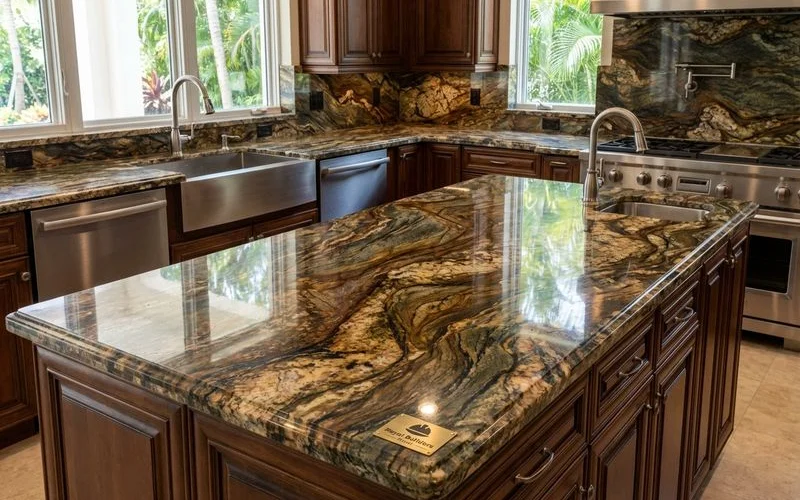
Granite is a natural igneous rock quarried from the earth in massive slabs. Each slab is unique, with natural variations in color, veining, and mineral composition that create one-of-a-kind countertop surfaces. Granite has been a premium countertop material for decades and remains a hallmark of high-end kitchen design.
What Is Quartz?
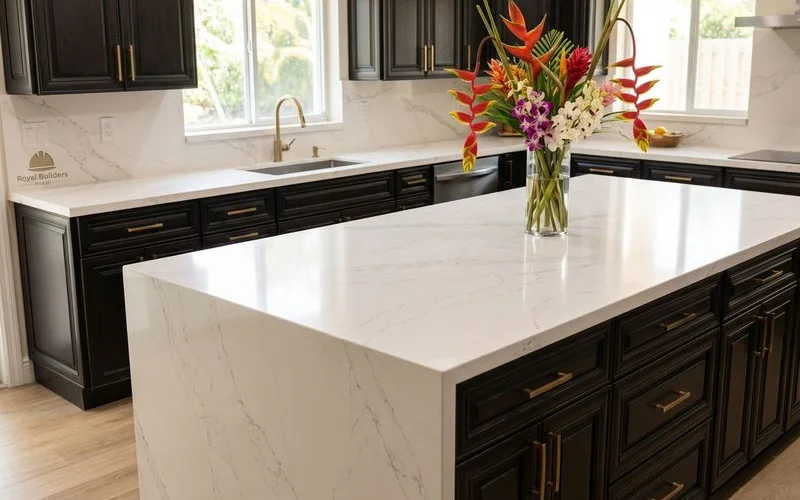
Quartz countertops are engineered stone, manufactured by combining approximately 90 to 94 percent ground natural quartz with polymer resins, pigments, and other materials. The result is a non-porous, highly consistent surface available in a wide range of colors and patterns, including designs that convincingly mimic natural stone.
Durability and Hardness
Granite ranks 6 to 7 on the Mohs hardness scale, making it highly resistant to scratches. It can handle the impact of kitchen use, though it can chip if struck sharply on an edge. Quartz, with its engineered composition, is slightly more flexible and resistant to chipping. Both materials are extremely durable and will serve a busy kitchen well for decades, but quartz holds a modest advantage in chip resistance due to the resin binder that adds flexibility.
Heat Resistance
This is an area where granite has a clear advantage. As a natural stone formed under extreme heat and pressure, granite can handle hot pots and pans placed directly on its surface without damage. Quartz, because of its resin content, is more susceptible to heat damage. Temperatures above 300 degrees Fahrenheit can discolor or crack the resin, leaving permanent marks. If you frequently place hot cookware directly on the counter, granite offers superior heat tolerance. With quartz, trivets and hot pads are a necessity.
Maintenance and Stain Resistance
Quartz wins decisively in the maintenance category. Because it is non-porous, quartz does not require sealing and resists stains from wine, coffee, oil, and other kitchen substances. Cleaning requires nothing more than mild soap and water.
Granite is porous and must be sealed upon installation and resealed annually to maintain stain resistance. Without proper sealing, liquids can penetrate the surface and leave permanent discoloration. In Miami’s humid environment, an unsealed granite countertop can also harbor bacteria in its microscopic pores. While maintaining a sealing schedule is not particularly difficult, it is an ongoing commitment that quartz does not require.
Performance in Miami’s Climate
South Florida’s humidity is a relevant factor in countertop selection. Granite’s porous nature means it absorbs moisture from the air, which can affect sealed joints and edges over time if not maintained. Quartz, being non-porous, is completely unaffected by humidity. For Miami homes, particularly those in coastal areas where salt air compounds the moisture challenge, quartz offers a practical advantage in long-term resilience.
That said, properly sealed and maintained granite performs well in South Florida. The key word is maintained. If you are willing to keep up with annual sealing, granite’s climate vulnerability is manageable.
Appearance and Aesthetics
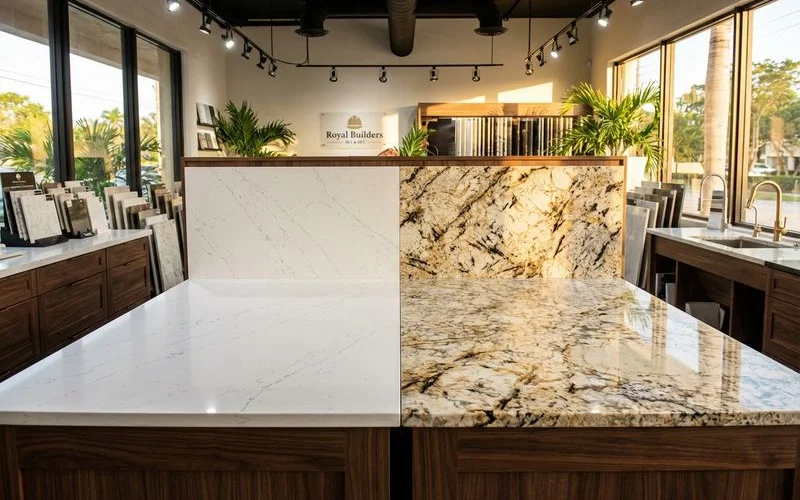
This category comes down to personal preference and design goals. Granite offers natural beauty that no manufactured product can truly replicate. The depth of color, the play of mineral crystals in light, and the knowledge that your countertop is a unique piece of the earth’s geology carry an aesthetic and emotional value that many homeowners find irreplaceable.
Quartz offers consistency and control. You can select a precise color and pattern that matches your design vision, and every inch of the countertop will look exactly as expected. Modern quartz manufacturing has become remarkably sophisticated, with products that convincingly mimic marble, granite, and other natural stones while offering the practical advantages of engineered stone.
Cost Comparison
Both materials occupy a similar price range for Miami installations, though granite tends to have a wider spread depending on the rarity of the stone selected. Standard granite countertops installed in Miami typically range from $50 to $100 per square foot, while exotic or rare varieties can reach $150 or more. Quartz generally ranges from $55 to $120 per square foot installed, with premium designer patterns at the higher end.
For a typical Miami kitchen with 40 to 50 square feet of countertop surface, total installed costs for either material range from approximately $3,000 to $6,000 for standard selections and $6,000 to $10,000 or more for premium options. For a full breakdown, see our guide on kitchen remodeling costs in Miami.
Resale Value
Both quartz and granite are considered premium countertop materials by home buyers, and either choice will positively impact your home’s resale value. In the current Miami market, quartz has gained a slight edge in buyer preference due to its low-maintenance reputation and the growing popularity of modern, clean-lined kitchen designs. However, high-quality granite remains a valued feature, particularly in traditional and transitional kitchen styles.
Which Should You Choose?
Choose quartz if you prioritize low maintenance, stain resistance, consistent appearance, and worry-free performance in Miami’s humid climate. Choose granite if you value the irreplaceable beauty of natural stone, need superior heat resistance, and are comfortable with annual sealing maintenance.
Both materials represent a sound investment in your kitchen. The right choice depends on your lifestyle, design preferences, and how you use your kitchen every day. A knowledgeable Miami remodeling contractor can show you slab samples, discuss fabrication options, and help you select the countertop material that best complements your overall kitchen design. Contact us for a free consultation.